Antibiotics, Side Effects and your Gut Microbiome Health
Some general information about antibiotic usage, side effects, and how they damage your gut. We'll start exploring natural antibiotics and why sometimes they may be the best first step.
HEALTH & WELLNESS

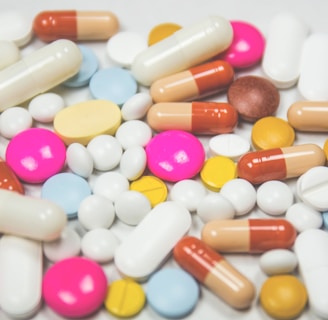
Antibiotic Overuse & the Hidden Cost to the Microbiome
Antibiotics have saved countless lives and remain essential in treating serious bacterial infections. The concern isn’t their existence — it’s their overuse, misuse, and long-term impact on the body, particularly the gut microbiome.
Antibiotics do not discriminate. While they target harmful bacteria, they also destroy beneficial bacteria that support digestion, immunity, hormone balance, neurotransmitter production, and detoxification. Research shows that even a single course of antibiotics can alter gut flora for months — and in some cases, years.
When beneficial bacteria are depleted, opportunistic organisms like Candida, Clostridioides difficile, and pathogenic bacteria can flourish, contributing to chronic symptoms long after the original infection is gone.
Common Consequences of Antibiotic Overuse
Reduced gut bacterial diversity
Increased gut permeability (“leaky gut”)
Weakened immune response
Digestive issues (bloating, diarrhea, constipation)
Increased risk of yeast overgrowth and fungal infections
Nutrient malabsorption (especially B vitamins, magnesium, iron)
Mood changes, anxiety, and brain fog (gut–brain axis disruption)
Antibiotic resistance over time
Antibiotic Classes & Associated Side Effects
Penicillins
(Amoxicillin, Penicillin, Augmentin)
Gut dysbiosis
Allergic reactions
Yeast overgrowth
Diarrhea
Increased risk of C. difficile infection
Cephalosporins
(Cephalexin, Cefdinir)
Disruption of gut flora
GI distress
Increased risk of secondary infections
Possible cross-reactivity in penicillin-sensitive individuals
Macrolides
(Azithromycin, Clarithromycin)
Digestive upset
Liver enzyme elevation
QT interval prolongation (heart rhythm changes)
Altered gut bacteria composition
Tetracyclines
(Doxycycline, Minocycline)
Gut microbiome disruption
Photosensitivity
Esophageal irritation
Mineral chelation (can interfere with calcium, magnesium, iron absorption)
Sulfonamides
(Trimethoprim-sulfamethoxazole / Bactrim)
Skin reactions
Kidney strain
Folate depletion
GI upset
Fluoroquinolones (FQ Drugs)
(Ciprofloxacin, Levofloxacin, Moxifloxacin)
This class deserves special attention.
Known risks include:
Tendonitis and tendon rupture (especially Achilles tendon)
Muscle weakness and pain
Joint and connective tissue damage
Peripheral neuropathy (nerve pain, tingling, numbness)
Central nervous system effects (anxiety, insomnia, confusion)
Long-term musculoskeletal and neurological symptoms in some individuals
Because of these risks, regulatory agencies have advised that fluoroquinolones should not be first-line treatment for uncomplicated infections when safer alternatives exist. My personal experience has been that these are most often the first line of antibiotics that doctors prescribe.
Clindamycin
High risk of C. difficile overgrowth
Severe gut dysbiosis
Persistent diarrhea
Why the Gut Suffers Most
Roughly 70–80% of the immune system lives in the gut, and beneficial bacteria help regulate inflammation, detoxification, and even hormone signaling. When antibiotics disrupt this ecosystem, the body may struggle to recover its balance — especially without intentional support.
This helps explain why some people experience:
Lingering fatigue
Food sensitivities
Recurrent infections
Autoimmune flares
Mood and cognitive changes
long after antibiotic treatment has ended.
A Holistic Perspective
This isn’t about rejecting antibiotics — it’s about using them wisely, when truly necessary, and supporting the body afterward. Restoring gut health through targeted nutrition, fermented foods, prebiotic fibers, and mindful lifestyle choices can help rebuild what was lost.
The gut is not just where digestion happens — it’s where resilience begins.
Natural Antibiotic Alternatives: Supportive Tools, Not Replacements
Nature offers many substances with antimicrobial properties that humans have used for centuries. These tools can be helpful for supporting the immune system, addressing mild imbalances, or working alongside medical care — but they are not a one-size-fits-all replacement for prescription antibiotics, especially in severe or life-threatening infections.
Understanding both the benefits and limitations of natural antimicrobial options allows for wiser, more respectful use of the body’s healing intelligence.
Below are some commonly discussed natural alternatives, along with their strengths and cautions.
Garlic (Allicin)
What it does:
Garlic contains allicin, a compound shown to have antibacterial, antiviral, antifungal, and antiparasitic properties.
Positives
Supports immune response
Broad-spectrum antimicrobial activity
May help reduce inflammation and support cardiovascular health
Considerations
Can irritate the gut in sensitive individuals
Blood-thinning properties may interfere with medications
Not strong enough alone for serious bacterial infections
Oregano Oil
What it does:
Rich in carvacrol and thymol, oregano oil has strong antimicrobial action.
Positives
Potent against certain bacteria and fungi
Often used short-term for gut imbalances
May help reduce overgrowth of harmful microbes
Considerations
Very strong — can damage beneficial gut bacteria if overused
Should not be used long-term
Can cause digestive irritation or burning sensations
Manuka Honey
What it does:
Contains methylglyoxal (MGO), which gives it antibacterial properties.
Positives
Supports wound healing and throat infections
Gentle on the gut compared to harsher antimicrobials
Soothes inflammation
Considerations
Still a sugar — not ideal for those with blood sugar issues
Limited internal use for serious infections
Turmeric (Curcumin)
What it does:
Anti-inflammatory and mildly antimicrobial.
Positives
Helps reduce inflammation and oxidative stress
Supports immune modulation rather than microbial destruction
Gentle and supportive for long-term use
Considerations
Low bioavailability unless properly formulated
Not a direct antibacterial replacement
Turmeric chelates your Iron. If you are Anemic, Iron Deficiency without Anemia and/or Low Ferritin you need to use caution when supplementing with Turmeric. I would recommend you do not use Turmeric.
Echinacea
What it does:
Stimulates immune activity rather than directly killing bacteria.
Positives
May shorten duration of colds and mild infections
Supports immune signaling
Considerations
Best used short-term
Not suitable for autoimmune conditions in some individuals
Colloidal Silver
What it does:
Suspended silver particles with antimicrobial activity.
Positives
Demonstrates antibacterial effects in lab studies
Sometimes used topically or short-term in alternative health circles
Important Considerations
Not regulated or standardized
Long-term or improper use can cause argyria, a permanent blue-gray discoloration of the skin. Please do your own research on this one. Argyria or turning "blue" is an old story from a man who made his own Silver and used at extremely large doses over a long period of time. I have personally used Colloidal Silver for over 25 years without incidence and I am not Blue.
Can disrupt gut microbiota, tho it is highly reported that it only kills the bad bacteria and leaves the good. Again, do your own research.
Safety and dosing are controversial and not well supported by clinical trials
Bottom Line:
Colloidal silver should be approached with caution, used only short-term, and never as a daily or preventative supplement. Professional guidance is strongly advised.
Propolis
What it does:
A resin made by bees with antimicrobial and immune-supporting properties.
Positives
Supports oral and respiratory health
Anti-inflammatory and antioxidant
Considerations
Not suitable for people with bee allergies
Best used as supportive care
Coconut Oil (Lauric Acid)
What it does:
Coconut oil contains lauric acid, which the body converts into monolaurin — a compound with antimicrobial, antiviral, and antifungal properties.
Positives
Supports balance against certain bacteria, viruses, and fungi
Generally gentler on the gut compared to harsher antimicrobials
Supports energy metabolism and brain function
Can be used both internally and topically
Considerations
Still antimicrobial — excessive use may affect beneficial gut bacteria
High fat content may not be tolerated by everyone
Best used in moderation as part of food, not megadosed
Best Use:
As a supportive food-based antimicrobial, not a targeted treatment.
Cod Liver Oil
What it does:
Not an antibiotic, but deeply immune-modulating. Rich in vitamins A and D, plus omega-3 fatty acids, which support immune regulation, inflammation control, and mucosal healing.
Positives
Supports immune resilience rather than microbial destruction
Helps repair gut lining and reduce inflammation
Supports nervous system, hormone balance, and mineral absorption
Considerations
Vitamin A can be toxic in excess — dosing matters
Quality varies greatly; oxidation is a concern
Not antimicrobial on its own
Best Use:
As a foundational recovery and repair tool, especially post-infection or post-antibiotics.
Vitamin C
What it does:
Vitamin C is not a traditional antibiotic, but it plays a powerful role in immune defense and microbial control. It supports white blood cell activity, helps the body neutralize pathogens, and assists in reducing oxidative stress created during infections.
Positives
Supports immune response rather than directly “killing” everything
Helps reduce inflammation during illness
Supports collagen production and gut lining repair
Assists detox pathways and histamine regulation
Considerations
High doses may cause digestive upset or loose stools
Not targeted enough for severe infections on its own
Synthetic forms may not be tolerated by everyone
Best Use:
As a foundational immune support and recovery nutrient, especially during illness or healing phases.
MSM (Methylsulfonylmethane)
What it does:
MSM is a sulfur-containing compound that supports detoxification, tissue repair, and immune balance. Sulfur plays a key role in cellular defense and may help make the internal environment less hospitable to certain pathogens.
Positives
Supports liver detoxification and sulfur pathways
Helps reduce inflammation and oxidative stress
Supports connective tissue, joints, and gut lining
May assist immune function indirectly
Considerations
Not a direct antimicrobial
Can cause headaches or digestive upset in sensitive individuals
Detox effects may feel uncomfortable at first
Best Use:
As a supportive recovery tool, particularly after antibiotics, inflammation, or long-term stress.
Iodine
What it does:
Iodine is a powerful natural antimicrobial with antiviral, antibacterial, and antifungal properties. Historically, it has been used for wound care, water purification, and infection control. In the body, iodine also supports thyroid function and immune regulation.
Positives
Broad-spectrum antimicrobial activity
Supports thyroid health and metabolism
Helps regulate immune response
Historically used safely in proper doses
Considerations
Must be dosed carefully
Excessive use can disrupt thyroid function
Not appropriate for everyone, especially those with thyroid conditions
Best Use:
As a targeted antimicrobial, used thoughtfully and short-term under guidance.Gut-Safe Protocol: Supporting Recovery Without Further Depletion
There are others, like Ginger, Myrrh, Thyme, Goldenseal, Cloves, Tea Tree Oil - Please do your own research to find what will work best with your unique body needs.
How to Support the Gut
This protocol is designed to rebuild, not wage war. The goal is to restore balance after antibiotics, antimicrobial use, illness, or prolonged stress.
1. Pause the Assault
After antibiotics or strong antimicrobials:
Avoid stacking multiple antimicrobial supplements
Reduce harsh agents (oregano oil, berberine, silver, etc.)
Give the gut space to recalibrate
Healing requires safety — not constant attack.
2. Replenish Beneficial Bacteria (Gently)
Focus on food-first restoration:
Supportive Options
Fermented foods (small amounts): sauerkraut, kefir, yogurt, kimchi
Prebiotic foods: cooked/cooled potatoes, rice, oats, bananas, onions *your food tolerances
Soil-based or spore-based probiotics (if tolerated)
Go slow. More is not better.
3. Repair the Gut Lining
This step is often skipped — and it matters.
Helpful Supports
Bone broth or collagen-rich foods
L-glutamine (if tolerated)
Cod liver oil or omega-3s
Zinc (short term)
These help restore the intestinal barrier and reduce inflammation.
4. Feed the Microbiome (Not Just Kill Pathogens)
A diverse microbiome thrives on variety.
Focus On
Colorful vegetables
Root vegetables
Resistant starches
Polyphenol-rich foods (berries, herbs, olive oil)
Microbes need nourishment — not fear.
5. Support Detox Pathways
As microbes rebalance, toxins are released.
Support Naturally
Adequate hydration
Gentle movement
Magnesium
Fiber (gradually increased)
Avoid aggressive detox protocols during recovery.
6. Nervous System Regulation
The gut heals best in safety.
Helpful Practices
Breathwork
Gentle meditation
Sunlight exposure
Grounding / earthing
Stress alone can delay gut repair.
A Note on Natural Antimicrobials
Even natural tools can disrupt balance when overused. The body heals through cycles — not constant intervention. Discernment, rest, nourishment, and patience often do more than any single supplement ever could.
Natural antimicrobials work best when viewed as supportive allies, not miracle cures. There are many, many more that are not listed here. Unlike pharmaceutical antibiotics, many of these substances:
Do not fully distinguish between harmful and beneficial bacteria
Can still disrupt the microbiome if misused
Are most effective for prevention, mild infections, or recovery support
The goal is not to reject modern medicine — but to use all tools consciously, with respect for both the power of pharmaceuticals and the intelligence of the body.
The Takeaway
I encourage you to do your own research to see what would work best for you and your body's specific needs. This information is for educational purposes only and is not intended to diagnose, treat, or replace medical care. Always consult a qualified healthcare professional before starting or stopping medications, supplements, or protocols — especially if you have existing medical conditions or are taking prescriptions.True healing lives in discernment, not extremes. Knowing when to support the immune system naturally — and when medical intervention is necessary — is part of developing a mature, embodied relationship with health.
Used wisely, natural antimicrobials can complement recovery, strengthen resilience, and support balance. Used carelessly, they can create new imbalances of their own.
As always, the body communicates clearly — when we are willing to listen.


This photo was taken in 2020, after a series of iron infusions that sent me to the emergency room three times. During that period, I received multiple diagnoses and was prescribed several rounds of multi antibiotics at the same time. Looking back, this was a major turning point in my health — and not a positive one. My body has been out of balance ever since.
Over the past five years, I’ve dealt with recurring kidney stones, tooth infections, and surgery, which meant even more antibiotics. I experienced horrific side effects to my skin from Bactrim. At the time, I didn’t understand how deeply this would affect my body. Learning how iron interacts with infection and inflammation has been eye-opening and, honestly, life-changing.
Because of a congenital blood vessel disorder, iron infusions are medically necessary for me. What I’ve since learned — and what isn’t often discussed — is that iron can feed bacteria. If an infection is already present, iron supplementation may worsen symptoms before any improvement is seen, and iron levels may fail to rise. In contrast, chronic inflammation can artificially elevate iron storage markers, such as ferritin, making the picture even more confusing.
In upcoming blog posts, I’ll be sharing what I’m learning and what I’m exploring on my own healing path.
Even if you’re not dealing with health issues right now, understanding inflammation, protecting gut health, eating well, and using antibiotics thoughtfully are investments in your future health. Your body will thank you for it later.
SOCIAL MEDIA
© 2025. All rights reserved.
Legal